Herbicide Chemistry Explained for Beginners
Herbicide chemistry is a fundamental concept in modern agriculture, helping to explain how weed control products work at the molecular and biological levels. For beginners, understanding herbicide chemistry may seem complex, but it essentially involves how chemical compounds interact with plant systems to inhibit growth or cause plant death. Learning these basic principles is essential for farmers, students, and professionals who want to use herbicides effectively and safely.
At the core of herbicide chemistry are active ingredients, which are the chemical compounds responsible for controlling weeds. These ingredients are designed to target specific biological processes within plants. For example, some herbicides interfere with amino acid synthesis, preventing plants from producing the proteins they need to grow. Glyphosate is one of the most well-known herbicides that works through this mechanism by blocking a key enzyme involved in plant metabolism.
Another important group of herbicides affects plant growth hormones. These are often referred to as auxin-type herbicides. They mimic natural plant hormones and cause uncontrolled growth, leading to structural damage and eventual death of the plant. Compounds such as 2,4-D are widely used for this purpose, particularly in controlling broadleaf weeds.
Photosynthesis inhibitors represent another key category in herbicide chemistry. These herbicides disrupt the plant’s ability to produce energy by blocking essential steps in the photosynthetic process. Without energy production, the plant cannot survive. Additionally, some herbicides target lipid synthesis, which is crucial for maintaining cell membranes. When this process is disrupted, the plant loses its structural integrity and eventually dies.
The effectiveness of herbicides also depends on how they are absorbed and transported within the plant. Systemic herbicides are absorbed and move through the plant’s vascular system, allowing them to affect the entire plant, including roots. Contact herbicides, on the other hand, only affect the areas they touch, providing rapid but sometimes less complete control.
Herbicide chemistry is also closely related to formulation science. The active ingredient must be combined with other components such as solvents, surfactants, and stabilizers to create a product that is easy to apply and effective in real-world conditions. Surfactants improve the spread and penetration of the herbicide on plant surfaces, while stabilizers ensure that the product remains effective during storage.
Modern developments in herbicide chemistry focus on improving efficiency while reducing environmental impact. Scientists are working to create herbicides that require lower application rates, degrade more quickly in the environment, and are safer for non-target organisms. These advancements are essential for sustainable agriculture and long-term weed management.
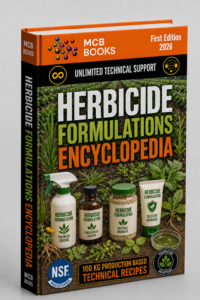
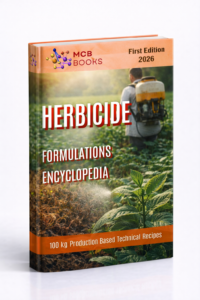
For professionals and beginners who want to explore herbicide chemistry in more detail, the Herbicide Formulations Encyclopedia provides comprehensive insights into active ingredients, formulation techniques, and industrial production methods used in the agrochemical industry.
In conclusion, herbicide chemistry is the science behind how herbicides control weeds. By understanding the basic mechanisms of action, types of active ingredients, and formulation principles, beginners can gain valuable knowledge that supports effective and responsible herbicide use in modern agriculture.