Liquid phosphorus fertilizer is used to supply plants with phosphorus in a form that can be applied through irrigation systems or, depending on the product, as a foliar treatment. Phosphorus is one of the major nutrients needed throughout plant development and has an important role from early root growth through flowering, seed formation and crop maturity.
For growers, the main reason for using liquid phosphorus products is to make phosphorus application easier to manage within an irrigation or crop nutrition program. The exact product and application method will depend on the crop, soil conditions and the formulation being used.
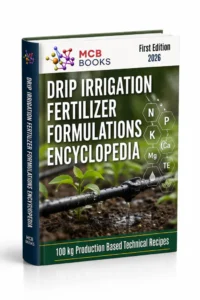
Looking for practical fertilizer formulations for drip irrigation and fertigation systems? Explore the
DRIP IRRIGATION FERTILIZER FORMULATIONS ENCYCLOPEDIA
for detailed formulation examples, raw material guidance and production information covering different liquid fertilizer products. It is a useful reference for manufacturers, formulators and agricultural companies developing fertilizers for controlled irrigation systems.
Why Is Phosphorus Important for Plants?
Phosphorus takes part in many important processes inside the plant. One of its best-known roles is in energy transfer.
It is a component of ATP, which plants use to store and transfer energy produced during photosynthesis. This energy is needed throughout the plant’s life cycle, from early seedling development to flowering, grain or fruit formation and maturity.
Because of this, adequate phosphorus nutrition is closely connected with healthy and balanced plant development.
Main Benefits of Phosphorus in Crop Development
Phosphorus is commonly associated with several important areas of plant growth, including:
- root development
- stronger stalk and stem growth
- flower and seed formation
- crop maturity
- nitrogen-fixing activity in legumes
- overall crop quality
- plant vigor throughout the growing cycle
Its importance is especially noticeable during early development, when the plant is establishing its root system and preparing for later growth stages.
Liquid Phosphorus Fertilizer for Crops
A liquid phosphorus fertilizer can be used as part of drip irrigation and other fertilizer application programs. Liquid products make it possible to introduce nutrients through irrigation water when the formulation is suitable for fertigation.
Some phosphorus fertilizers may also be designed for foliar application. The application method should always match the product formulation and the requirements of the crop.
The aim is not simply to supply phosphorus, but to provide it in a form and at a stage where the crop can use it effectively.
How Is Liquid Phosphorus Fertilizer Produced?
Producing a liquid phosphorus fertilizer starts with a suitable formulation. The formula determines which raw materials are used, their quantities and the order in which they are combined.
The production process itself is generally based on controlled mixing, but obtaining a stable product requires more than simply adding ingredients to a tank. Raw material compatibility, solubility, concentration and the final properties of the fertilizer all need to be considered.
For commercial production, a practical formula and a clear manufacturing process are therefore important for obtaining a consistent finished product.
Summary
Liquid phosphorus fertilizer provides a practical way to include phosphorus in crop nutrition programs, especially where drip irrigation or other controlled application systems are used.
Phosphorus supports important stages of plant development, including root growth, energy transfer, flowering and crop maturity. The performance of the finished fertilizer, however, depends on both the phosphorus source and the way the product is formulated and produced.
For manufacturers and formulators who want to work with a wider range of drip irrigation fertilizers,
the
DRIP IRRIGATION FERTILIZER FORMULATIONS ENCYCLOPEDIA
offers additional formulation and production references for different fertigation products.