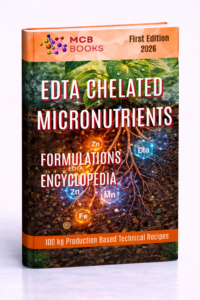
Chelated micronutrients are essential in modern agriculture for improving nutrient availability and plant uptake. Among the most widely used chelating agents are EDTA, DTPA, and EDDHA. Each has unique properties that affect performance, stability, and suitability under different soil conditions. Understanding their differences is critical for selecting the right fertilizer and achieving optimal crop results.
What Are EDTA, DTPA, and EDDHA?
- EDTA (Ethylenediaminetetraacetic acid):
A general-purpose chelating agent widely used for micronutrients like zinc, manganese, and copper. - DTPA (Diethylenetriaminepentaacetic acid):
A stronger chelating agent than EDTA, offering improved stability in slightly alkaline conditions. - EDDHA (Ethylenediamine-N,N′-bis(2-hydroxyphenylacetic acid)):
A highly stable chelate, especially effective for iron in alkaline soils.
1. Stability and Strength
Chelate stability determines how well nutrients remain protected in the soil.
- EDTA: Moderate stability
- DTPA: Higher stability than EDTA
- EDDHA: Very high stability
👉 Stronger stability means better performance in difficult soil conditions.
2. Performance in Different Soil pH Levels
Soil pH is the most important factor in choosing a chelate.
- EDTA: Effective up to pH ~6–6.5
- DTPA: Effective up to pH ~7–7.5
- EDDHA: Effective up to pH ~9 and above
👉 Key insight:
EDDHA is the best choice for alkaline and calcareous soils.
3. Nutrient Availability and Uptake
- EDTA: Good availability in suitable soils
- DTPA: Better availability in wider conditions
- EDDHA: Excellent availability even in extreme conditions
👉 EDDHA ensures the highest reliability in nutrient delivery.
4. Typical Applications
EDTA:
- Foliar fertilizers
- Fertigation systems
- General micronutrient supply
DTPA:
- Soil application in slightly alkaline soils
- Hydroponic systems
EDDHA:
- Iron deficiency correction
- Alkaline and calcareous soils
- High-value crops
5. Cost Comparison
- EDTA: Lowest cost
- DTPA: Medium cost
- EDDHA: Highest cost
👉 Cost increases with performance and stability.
6. Environmental Considerations
- EDTA & DTPA:
- Synthetic and less biodegradable
- May persist in soil
- EDDHA:
- Also synthetic but more specialized use
- Used in smaller quantities due to high efficiency
👉 Sustainability concerns are driving interest in biodegradable chelates.
7. Advantages and Limitations
EDTA
✔ Cost-effective
✔ Widely available
✔ Good for foliar use
❌ Limited in alkaline soils
DTPA
✔ Better stability than EDTA
✔ Wider pH range
❌ More expensive
❌ Limited in very high pH
EDDHA
✔ Highest stability
✔ Excellent in alkaline soils
✔ Best for iron
❌ Expensive
❌ Overqualified for low pH soils
8. Practical Selection Guide
- Use EDTA:
- In acidic to neutral soils
- For general micronutrient applications
- Use DTPA:
- In slightly alkaline soils
- When moderate stability is required
- Use EDDHA:
- In highly alkaline soils
- For iron deficiency correction
Each chelating agent—EDTA, DTPA, and EDDHA—has a specific role in agriculture. EDTA is the most economical and widely used, DTPA offers improved performance in moderately challenging conditions, and EDDHA provides superior stability for extreme environments. Selecting the right chelate based on soil pH and crop needs ensures maximum nutrient efficiency and optimal plant growth.
EDTA, DTPA, and EDDHA differ in stability, pH performance, and cost. EDTA is suitable for general use, DTPA works better in slightly alkaline soils, and EDDHA is the best choice for highly alkaline conditions, especially for iron. Choosing the correct chelate improves nutrient availability and crop productivity.