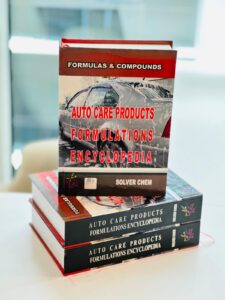
Plastic car trim restorers are specialized products designed to revive, protect, and enhance the appearance of exterior and interior plastic trims on vehicles. These trims can fade, discolor, or become dull due to exposure to UV rays, weathering, oxidation, and general wear.
🔑 Key Properties of Plastic Car Trim Restorers
| Property | Description |
|---|---|
| UV Protection | Contains UV blockers or absorbers to prevent fading and cracking caused by sunlight exposure. |
| Restorative Effect | Rejuvenates faded, dull, or oxidized plastic to restore original color and shine. |
| Hydrophobicity | Repels water to reduce dirt buildup and prevent water stains. |
| Non-Greasy Finish | Leaves a natural-looking, non-oily surface that does not attract dust. |
| Adhesion | Bonds well to various plastic substrates, including ABS, PVC, polypropylene, and others. |
| Durability | Resistant to washing off or rubbing away; some formulations last weeks to months. |
| Temperature Resistance | Can withstand temperature variations without cracking or peeling. |
| Ease of Application | Usually comes in spray, liquid, gel, or cream forms that are easy to apply by hand or with applicators. |
| Safe for Various Plastics | Formulated to be safe on both textured and smooth plastic trims without causing damage or discoloration. |
🧴 Types of Plastic Car Trim Restorers
| Type | Description & Typical Use Cases |
|---|---|
| Spray Restorers | Quick application; ideal for covering large areas and quick touch-ups; usually light-duty restoration. |
| Liquid or Fluid Restorers | Penetrates plastic pores better; often used for moderate to heavy restoration jobs. Applied with cloth or applicator. |
| Gel or Cream Restorers | Thick consistency; best for vertical surfaces or deeply weathered trims; longer-lasting and more protective. |
| Wipes/Pre-soaked Applicators | Convenient for quick application; usually lighter restoration and maintenance between deeper treatments. |
| Silicone-Based Restorers | Provide a shiny, slick finish with good water repellency but may attract dust over time. |
| Water-Based Restorers | More environmentally friendly, non-greasy, with a natural matte to satin finish; usually less shiny than silicone-based. |
| Hybrid Formulations | Combine silicones and polymers for balanced gloss, durability, and protection. |
⚙️ Common Ingredients in Plastic Trim Restorers
-
Silicone oils (e.g., polydimethylsiloxane) for shine and water repellency
-
Polymers (acrylics, urethanes) for film formation and durability
-
UV inhibitors to protect against sun damage
-
Emollients and plasticizers to penetrate and soften plastics
-
Solvents or carriers (water, isoparaffins, alcohols) for product delivery and drying characteristics
-
Anti-static agents to reduce dust attraction
💡 Usage Tips
-
Clean the trim thoroughly before applying a restorer.
-
Apply sparingly to avoid buildup or dripping.
-
Buff excess product for even finish and durability.
-
Reapply every few weeks depending on environmental exposure.