Introduction
Fabric softener formulations are widely used in the detergent industry to improve the softness, fragrance, and overall feel of fabrics after washing. These products work by depositing conditioning agents on textile fibers during the rinse cycle, reducing friction between fibers and minimizing static electricity.
Modern fabric softener formulations are primarily based on cationic surfactants, which have a natural affinity for negatively charged textile fibers. When applied during the rinse stage, these surfactants create a thin lubricating layer on the fabric surface, improving softness, reducing wrinkling, and enhancing the overall quality of the textile.
A typical fabric softener formulation contains several types of raw materials, including conditioning agents, fatty derivatives, fragrances, preservatives, and stabilizers. Each ingredient plays a specific role in maintaining product stability, performance, and long shelf life.
For a complete overview of fabric softener production and formulation principles, see our main guide on:
👉 Fabric Softener Formulation and Manufacturing Process
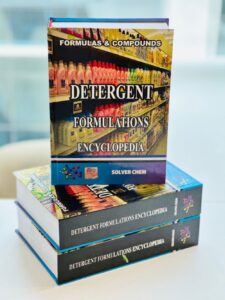
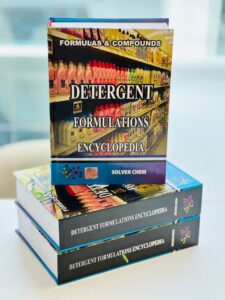
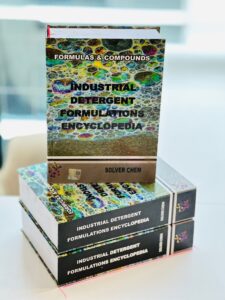
Looking for professional detergent formulations? Detailed fabric softener formulations, raw material selection, and industrial production methods can be found in the Detergent Formulations Encyclopedia, a comprehensive guide used by chemists, manufacturers, and entrepreneurs in the detergent industry.
Types of Fabric Softener Ingredients
Fabric softener formulations contain several categories of ingredients that work together to improve fabric softness, stability, and fragrance performance. Each ingredient group plays a different role in the formulation.
The main types of ingredients used in fabric softener formulations include:
Primary conditioning agents
These are the most important ingredients responsible for the softening effect. They usually consist of cationic surfactants such as esterquats or quaternary ammonium compounds that attach to negatively charged textile fibers.
Co-softening agents
Fatty derivatives and other conditioning additives help enhance lubrication between fibers and improve the overall softness of fabrics.
Fragrance ingredients
Perfume oils are added to provide a pleasant scent that remains on fabrics after washing and drying.
Stabilizers and preservatives
These ingredients help maintain product stability during storage and prevent microbial growth in water-based formulations.
Solvent system
Water is the primary solvent used in most liquid fabric softener formulations and acts as the carrier medium for all active ingredients.
Main Conditioning Agents
The primary softening effect in fabric conditioners comes from cationic surfactants. These compounds bind to textile fibers and create the characteristic softness associated with fabric softeners.
Common conditioning agents include:
-
Esterquats (esterified quaternary ammonium compounds)
-
Dialkyl dimethyl ammonium chloride
-
Diester quaternary ammonium compounds
-
Amidoamine-based softening agents
Esterquats are widely used in modern formulations because they provide excellent softness while also offering improved biodegradability compared to older quaternary ammonium compounds.
Fatty Derivatives and Co-softening Agents
Fatty derivatives are often used alongside cationic surfactants to improve the softness and texture of treated fabrics.
Typical ingredients include:
-
Fatty alcohol ethoxylates
-
Fatty acid derivatives
-
Hydrogenated tallow derivatives
-
Palm oil based fatty compounds
These materials enhance lubrication between fibers and improve the overall conditioning performance of the formulation.
Silicone Emulsions
Silicone emulsions are commonly used in advanced fabric softener formulations. They provide additional softness, smoothness, and improved fabric feel.
Benefits of silicone additives include:
-
Increased softness
-
Improved fabric smoothness
-
Reduced wrinkling
-
Enhanced textile appearance
Silicone additives are particularly common in premium fabric softener products.
Fragrances and Perfume Oils
Fragrance is an essential component of fabric softeners because it provides the pleasant scent associated with freshly washed laundry.
Perfume oils are typically added during the final stage of the manufacturing process to prevent evaporation during mixing. These fragrances are designed to remain on textile fibers after drying.
Manufacturers often use encapsulated fragrance systems to improve long-lasting scent performance.
Preservatives and Stabilizers
Since fabric softeners are water-based products, preservatives are required to prevent microbial growth during storage.
Common preservatives include:
-
Isothiazolinone derivatives
-
Phenoxyethanol
-
Formaldehyde-free preservative systems
Stabilizers and rheology modifiers may also be added to improve product viscosity and prevent separation.
Water as the Main Solvent
Water is the primary solvent used in most liquid fabric softener formulations. It acts as the carrier medium that allows other ingredients to disperse evenly throughout the product.
Manufacturers typically use softened or deionized water to prevent unwanted chemical reactions with formulation ingredients.
Further Reading
Industrial fabric softener formulations and raw material selection strategies are explained in detail in the Detergent Formulations Encyclopedia, a professional reference guide used by detergent manufacturers and formulation chemists worldwide.
SUMMARY
Fabric softener formulations consist of a combination of conditioning agents, fatty derivatives, fragrances, preservatives, and stabilizers that work together to improve fabric softness and performance.
Among these ingredients, cationic surfactants play the most important role because they attach to textile fibers and create the softening effect associated with fabric conditioners. Additional ingredients such as silicone emulsions and fatty derivatives enhance the overall performance of the formulation.
Understanding the role of each ingredient helps manufacturers design stable and effective fabric softener products suitable for modern detergent applications.