Industrial Liquid Organic Fertilizer Manufacturing Methods Explained
The demand for organic agriculture continues to grow worldwide, increasing the need for high-quality liquid organic fertilizer products. Modern farming systems now require fertilizers that improve soil structure, support plant growth, and provide sustainable nutrient management. Understanding industrial liquid organic fertilizer manufacturing methods is essential for manufacturers, agricultural entrepreneurs, and fertilizer production companies looking to enter this rapidly growing sector.
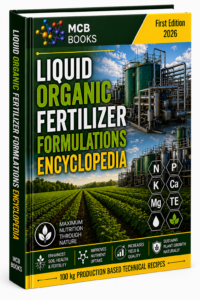
Liquid organic fertilizers are produced using a combination of organic raw materials, nutrient sources, biological extracts, and specialized processing techniques. Common ingredients used in production include humic acid, fulvic acid, seaweed extract, amino acids, fish hydrolysate, plant extracts, organic nitrogen sources, potassium solutions, and micronutrients. These materials are carefully selected to create balanced fertilizer systems suitable for different crop types and agricultural applications.
The first step in industrial liquid organic fertilizer manufacturing is raw material preparation. Solid ingredients are dissolved or dispersed in water under controlled mixing conditions. High-speed mixers and stainless steel production tanks are commonly used to ensure homogeneous blending. During this stage, pH regulators, stabilizers, and chelating agents may also be added to improve product stability and nutrient availability.
The second stage involves filtration and stabilization. Industrial filtration systems help remove undissolved particles and impurities, producing a cleaner and more stable fertilizer solution. Preservatives and anti-foam agents are often included to improve shelf life and production efficiency. Some manufacturers also use microbial fermentation technologies to increase the biological activity of organic fertilizers.
Modern liquid organic fertilizer manufacturing methods also focus on compatibility with fertigation and drip irrigation systems. Low sedimentation, balanced viscosity, and high solubility are important characteristics for commercial agricultural use. Manufacturers often develop specialized formulations for vegetables, fruits, greenhouse crops, field crops, and hydroponic systems.
Quality control is one of the most critical parts of industrial fertilizer production. Parameters such as pH, density, nutrient content, solubility, and microbiological stability are tested before packaging. Proper quality control ensures product consistency and improves customer satisfaction in both domestic and export markets.
Professional fertilizer manufacturers are constantly developing advanced liquid organic fertilizer formulations that combine organic nutrition with modern agricultural technology. These products not only improve crop performance but also contribute to long-term soil fertility and sustainable farming practices.
For companies interested in commercial production, learning industrial liquid organic fertilizer manufacturing methods provides a strong foundation for developing profitable and competitive fertilizer products in the global agriculture market.