High Performance Liquid Organic Fertilizer Formulas for Modern Farming
Modern agriculture requires advanced nutrient management systems that improve crop productivity while maintaining soil health and environmental sustainability. For this reason, high performance liquid organic fertilizer formulas have become increasingly popular in commercial farming, greenhouse cultivation, and sustainable agriculture projects worldwide. These fertilizer systems provide fast nutrient availability, improved absorption, and better compatibility with modern irrigation technologies.
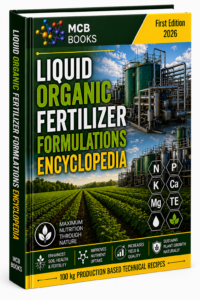
High performance liquid organic fertilizers are designed to supply essential macro and micronutrients together with biologically active organic compounds. Common raw materials used in these formulations include humic acid, fulvic acid, amino acids, seaweed extract, fish protein hydrolysate, organic nitrogen sources, potassium solutions, calcium complexes, magnesium compounds, and trace elements. These ingredients work together to improve plant metabolism, root development, chlorophyll production, flowering, fruit setting, and overall crop quality.
One of the biggest advantages of liquid organic fertilizer formulas is their rapid uptake by plants. Since nutrients are already dissolved in liquid form, plants can absorb them more efficiently through both roots and leaves. This makes liquid fertilizers highly effective for fertigation systems, foliar spraying, hydroponic cultivation, and drip irrigation applications used in modern farming operations.
Manufacturers often develop specialized high performance liquid organic fertilizer formulas for different agricultural purposes. Some products are optimized for vegetative growth, while others focus on flowering, fruit enlargement, stress resistance, root stimulation, or yield improvement. Advanced formulations may also contain biological stimulants and natural growth promoters that enhance nutrient efficiency and plant resilience under challenging environmental conditions.
Industrial production of liquid organic fertilizers requires careful raw material selection, controlled mixing processes, filtration systems, and quality control procedures. Parameters such as pH balance, viscosity, nutrient concentration, solubility, and microbiological stability are extremely important for commercial fertilizer quality. Professional manufacturers also ensure that formulations remain stable during storage and transportation.
Modern farming systems increasingly prefer organic fertilizer technologies because they support long-term soil fertility and reduce the environmental impact associated with excessive chemical fertilizer use. High performance liquid organic fertilizer formulas help improve microbial activity in the soil, increase organic matter availability, and support healthier plant growth without causing salt accumulation problems commonly associated with synthetic fertilizers.
As global agriculture continues moving toward sustainable production systems, the demand for advanced liquid organic fertilizer formulations is expected to grow rapidly. Companies investing in innovative fertilizer technologies can develop profitable agricultural products that meet the changing needs of modern farming and environmentally conscious consumers.