Liquid Organic Fertilizer Formulation Techniques for Higher Crop Yield
Increasing crop productivity while maintaining soil fertility has become one of the most important goals in modern agriculture. Farmers and agricultural manufacturers are increasingly turning toward liquid organic fertilizer technologies because they provide efficient plant nutrition together with environmentally sustainable farming solutions. Advanced liquid organic fertilizer formulation techniques play a critical role in improving nutrient absorption, supporting plant health, and achieving higher crop yield in commercial agriculture.
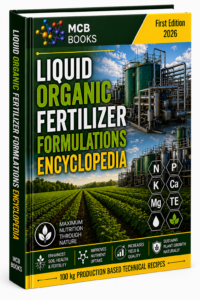 Liquid organic fertilizers are formulated using a combination of organic nutrient sources, biological stimulants, micronutrients, and natural growth-promoting compounds. Common ingredients include humic acid, fulvic acid, amino acids, seaweed extract, fish hydrolysate, organic nitrogen sources, potassium solutions, calcium complexes, magnesium compounds, and trace elements. These materials are carefully balanced to create effective fertilizer systems suitable for different crops and growth stages.
One of the most important formulation techniques is maintaining proper nutrient compatibility and solubility. High-quality liquid organic fertilizers must remain stable during storage and application without sedimentation or phase separation. Manufacturers often use stabilizers, chelating agents, pH regulators, and filtration systems to improve product consistency and shelf life. Proper formulation techniques also help prevent clogging problems in drip irrigation and fertigation systems.
Another important technique involves the use of biological activators and natural plant stimulants. Seaweed extracts, amino acids, beneficial microorganisms, and organic carbon sources can improve root development, nutrient uptake, chlorophyll production, and stress resistance. These biologically active ingredients help plants perform better under drought, salinity, heat stress, and other challenging environmental conditions commonly faced in modern farming.
Modern liquid organic fertilizer formulation techniques also focus on targeted agricultural applications. Specialized formulas can be developed for vegetables, fruits, cereals, greenhouse crops, hydroponic cultivation, and field farming systems. Some formulations are optimized for vegetative growth, while others support flowering, fruit setting, fruit enlargement, or overall yield improvement.
Industrial production processes are equally important for fertilizer quality. Controlled mixing systems, stainless steel production tanks, filtration equipment, and strict quality control procedures help manufacturers produce stable and reliable liquid fertilizers. Parameters such as pH, viscosity, nutrient concentration, microbial stability, and solubility are carefully tested before commercial packaging.
The growing demand for sustainable agriculture is increasing the popularity of liquid organic fertilizers worldwide. These products help reduce excessive chemical fertilizer use while improving soil microbial activity and long-term soil fertility. By using advanced liquid organic fertilizer formulation techniques, agricultural companies can produce innovative fertilizers that support both high crop yield and environmentally responsible farming practices.
As agriculture continues evolving toward more sustainable production systems, liquid organic fertilizer technologies will remain an important part of modern crop nutrition strategies for commercial farming operations around the world.