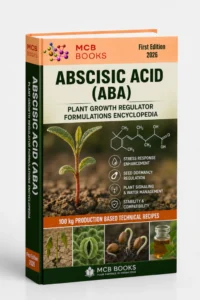
 Abscisic acid (ABA) is an important plant growth regulator involved in several physiological processes, including plant responses to drought and environmental stress, stomatal movement, seed and bud dormancy, fruit development and crop quality. For commercial agricultural applications, ABA is generally incorporated into carefully designed formulations that improve its handling, stability, dispersion and delivery to plant surfaces. Developing standardized 100 kg production formulas is therefore an important step for manufacturers seeking consistent commercial-scale plant growth regulator products.
A typical 100 kg ABA plant growth regulator formulation is composed of the active ingredient together with a suitable carrier system and functional formulation additives. Depending on the desired product type, manufacturers may use water, compatible solvents or co-solvents, surfactants, wetting agents, dispersing agents, stabilizers, buffering materials and preservatives. The selection and proportions of these components must be optimized according to the ABA concentration, intended application method, crop type and required storage stability.
ABA formulations designed for stress tolerance are particularly relevant to drought, heat, salinity and other environmental challenges. ABA participates in plant signaling pathways that help regulate water balance and adaptive responses. One of its best-known physiological effects is the promotion of stomatal closure under water-deficit conditions, which can reduce excessive transpiration and assist plants in conserving water.
For dormancy management, ABA plays a major role in regulating seed maturation and preventing premature germination. It is also involved in physiological dormancy processes in certain plant tissues and crops. Formulation design for these applications must consider application timing and developmental stage because plant sensitivity to ABA can vary considerably throughout the growing cycle.
ABA-based products may also be developed for fruit development and crop quality applications. Depending on the crop and production program, ABA treatments may influence processes associated with maturation, coloration and certain quality characteristics. The response is strongly dependent on crop species, variety, growth stage, environmental conditions and application concentration, making precise field recommendations essential.
When manufacturing a 100 kg batch, accurate weighing and controlled addition of raw materials are critical. The carrier phase is generally prepared first, followed by gradual incorporation of the active ingredient and functional additives under continuous mixing. pH control, homogenization and, where required, filtration are performed before the finished formulation is transferred to suitable packaging.
Quality-control procedures should evaluate parameters such as appearance, pH, density, active ingredient content, solubility or dispersibility, physical stability and storage performance. Pilot-scale testing and stability studies should always be completed before full commercial production.
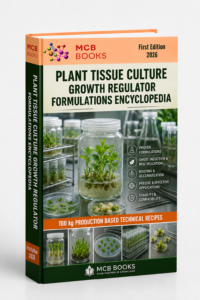
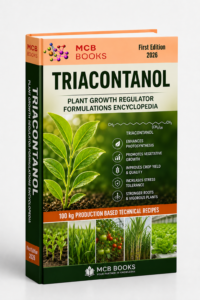
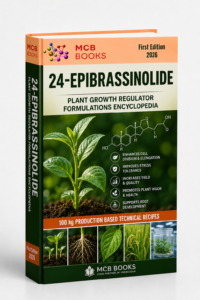
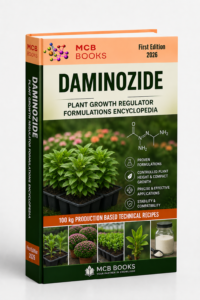
The ABSCISIC ACID (ABA) PLANT GROWTH REGULATOR FORMULATIONS ENCYCLOPEDIA provides manufacturers, formulators and agricultural professionals with structured technical guidance for developing 100 kg ABA formulations for stress tolerance, dormancy, stomatal regulation, fruit development and crop quality applications. Standardized formulation principles combined with controlled production methods can help manufacturers achieve reliable, stable and commercially practical ABA plant growth regulator products.