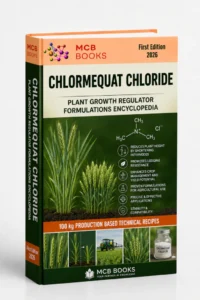
 Chlormequat chloride is an important plant growth regulator widely used in professional agriculture to control excessive vegetative growth, reduce plant height, strengthen stems and improve crop architecture. It is especially valuable in crops where rapid internode elongation can increase the risk of lodging or produce weak plant structures. For manufacturers, standardized 100 kg chlormequat chloride plant growth regulator formulas provide a practical basis for developing stable, uniform and commercially applicable products.
A typical 100 kg chlormequat chloride formulation contains the active ingredient together with a carefully selected aqueous carrier system and functional additives. Depending on the desired product characteristics, the formulation may include deionized water, surfactants, wetting agents, stabilizers, buffering agents, preservatives, antifoaming agents and other compatible auxiliaries. These materials are selected to support product stability, improve spray distribution and maintain consistent performance during storage and application.
One of the main purposes of chlormequat chloride is height control. The active ingredient reduces excessive stem and internode elongation by influencing gibberellin-related growth processes. As a result, treated plants may develop a shorter and more compact structure, which can be particularly useful in cereals, ornamentals and certain horticultural crops.
Another important benefit is stem strengthening and lodging reduction. In cereal production, excessive vegetative growth may create tall, weak plants that are more likely to fall over under wind, rain or heavy grain weight. Chlormequat chloride can help create a more balanced plant structure with shorter internodes and improved stem strength, reducing lodging risk and supporting easier crop management and harvesting.
Chlormequat chloride may also influence flowering and reproductive development when used at appropriate crop stages. Plant response depends on species, cultivar, application timing, concentration and environmental conditions. Correctly designed growth-regulation programs can help balance vegetative and reproductive development and may contribute to improved crop uniformity.
For crop yield, the principal benefit is often indirect. By reducing excessive stem growth and lodging, plants may use available resources more efficiently and maintain improved canopy structure. However, excessive application can suppress growth unnecessarily, so accurate formulation and proper application recommendations are essential.
During the manufacture of a 100 kg batch, the required quantity of water is normally charged into a clean production vessel and moderate agitation is started. Chlormequat chloride is gradually incorporated until fully dissolved. Surfactants, stabilizers, buffering materials and other additives are then introduced in the required sequence. Mixing continues until the formulation is homogeneous, followed by pH adjustment and filtration where necessary.
Finished formulations should be evaluated for active ingredient content, appearance, pH, density, clarity, solubility, physical stability and storage performance. Pilot production and stability studies should be completed before full-scale commercial manufacture.
The CHLORMEQUAT CHLORIDE PLANT GROWTH REGULATOR FORMULATIONS ENCYCLOPEDIA provides manufacturers and agricultural professionals with structured technical guidance for developing 100 kg formulations intended for height control, stem strengthening, lodging reduction, flowering management and crop-yield applications. Standardized formulation and production methods help ensure consistent quality and reliable commercial performance.