Introduction
Monoammonium phosphate (MAP) fertilizer is one of the most widely used phosphorus fertilizers in modern agriculture. It provides both nitrogen and phosphorus, which are essential nutrients required for plant growth and crop productivity.
MAP fertilizer is commonly used in field crops, vegetables, and fruit production because it supplies phosphorus that supports root development and early plant growth. The general stages of fertilizer manufacturing are explained in the NPK Fertilizer Production Process guide, while the raw materials used in fertilizer production are described in Raw Materials Used in NPK Fertilizer Production.
Understanding the monoammonium phosphate fertilizer production process is important for fertilizer manufacturers and agricultural industries.
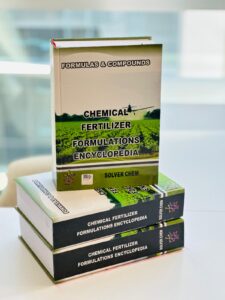
Detailed industrial fertilizer formulations and fertilizer production technologies are explained in the Chemical Fertilizers Formulations Encyclopedia.
What is Monoammonium Phosphate Fertilizer
Monoammonium phosphate (MAP) is a phosphate fertilizer containing both nitrogen and phosphorus nutrients.
Typical nutrient composition:
-
Nitrogen (N): about 11%
-
Phosphorus (P₂O₅): about 52%
MAP fertilizers are widely used because they provide highly soluble phosphorus suitable for plant nutrition.
Raw Materials Used in MAP Fertilizer Production
The production of monoammonium phosphate fertilizer requires the following raw materials:
-
ammonia (NH₃)
-
phosphoric acid (H₃PO₄)
These materials react chemically to form monoammonium phosphate fertilizer.
Monoammonium Phosphate Production Process
Neutralization Reaction
Phosphoric acid reacts with ammonia in a neutralization reactor to form monoammonium phosphate slurry.
Granulation
The MAP slurry is converted into fertilizer granules using granulation equipment.
Granulation technology is explained in the Granular NPK Fertilizer Production Process guide.
Drying and Cooling
Granules are dried and cooled to improve fertilizer stability and storage properties.
Screening and Packaging
The final fertilizer granules are screened and packaged for agricultural use.
Advantages of MAP Fertilizer
Monoammonium phosphate fertilizers offer several advantages:
-
high phosphorus content
-
good water solubility
-
efficient nutrient availability
-
suitable for many crops
These characteristics make MAP one of the most important phosphate fertilizers.
Industrial Fertilizer Formulations Guide
Detailed fertilizer formulations and fertilizer manufacturing technologies are explained in the Chemical Fertilizers Formulations Encyclopedia. This professional guide provides practical information about fertilizer formulation development and industrial fertilizer production.
SUMMARY
Monoammonium phosphate fertilizer is a widely used phosphate fertilizer produced through the reaction of ammonia and phosphoric acid. The production process includes neutralization, granulation, drying, and packaging stages.
Related Articles
NPK Fertilizer Production Process
Raw Materials Used in NPK Fertilizer Production
NPK Fertilizer Production Equipment
Granular NPK Fertilizer Production Process
Liquid NPK Fertilizer Production Process
How to Make NPK Fertilizer
How to Make NPK 20-20-20 Fertilizer
How to Make NPK 15-15-15 Fertilizer
How to Make NPK 10-10-10 Fertilizer
How to Make NPK 12-12-17 Fertilizer
How to Make NPK 19-19-19 Fertilizer