How to Manufacture Liquid Organic Fertilizer: Complete Industrial Formulation Guide
Liquid organic fertilizers have become one of the fastest growing product categories in modern agriculture. Farmers, greenhouse producers and commercial growers are increasingly searching for sustainable nutrient solutions that improve soil structure, increase nutrient uptake and support healthier plant development. Because of this rising demand, understanding the liquid organic fertilizer production process has become highly important for manufacturers and agribusiness startups.
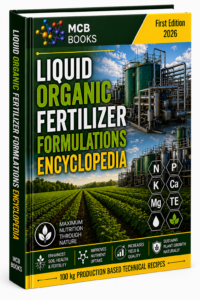
The production of liquid organic fertilizer begins with selecting the right organic raw materials. Common ingredients include humic acid, fulvic acid, seaweed extract, amino acids, fish hydrolysate, molasses, plant extracts and organic potassium sources. These materials are carefully combined to create balanced nutrient systems suitable for vegetables, fruits, cereals, greenhouse crops and ornamental plants.
One of the most critical stages in liquid organic fertilizer manufacturing is raw material compatibility. Some organic substances can create sedimentation, viscosity problems or instability if they are not processed correctly. For this reason, professional manufacturers use stabilizers, pH regulators, chelating agents and filtration systems to improve product stability and shelf life.
The standard manufacturing process usually starts with adding purified water into a stainless steel mixing tank. Humic acid and fulvic acid are dissolved under controlled agitation. After complete dissolution, amino acids, seaweed extracts and micronutrients are slowly incorporated into the system. The pH level is adjusted carefully to maintain maximum stability and nutrient availability. Finally, preservatives and anti-foam agents may be added before filtration and packaging.
Modern liquid organic fertilizer formulations are designed not only to supply nutrients but also to improve plant stress resistance and soil biology. Products enriched with amino acids and seaweed extracts are especially popular because they help crops tolerate drought, heat stress and transplant shock more effectively.
Manufacturers also focus on developing customized liquid organic fertilizer formulations for different application methods such as foliar spraying, fertigation systems and drip irrigation. Each application method requires different viscosity levels, nutrient concentrations and compatibility properties.
For companies entering the fertilizer sector, having access to professional formulation systems can significantly reduce development time and production errors. Industrial-scale formulations provide more reliable product performance and help manufacturers create commercially competitive fertilizer products.