SOLVENT-BASED ENGINE DEGREASER FORMULA | INGREDIENTS AND PRODUCTION PROCESS
INTRODUCTION
Solvent-based engine degreaser formulations are widely used in automotive and industrial cleaning applications to remove heavy oil, grease, carbon deposits, and stubborn contaminants from engine parts and mechanical surfaces.
Unlike water-based cleaners, solvent-based engine degreasers provide stronger cleaning power, faster evaporation, and improved performance on heavily soiled surfaces. These formulations are essential in professional car care, maintenance workshops, and industrial cleaning operations.
In this guide, you will learn solvent-based engine degreaser formula, key ingredients, and the step-by-step production process used in commercial formulations.

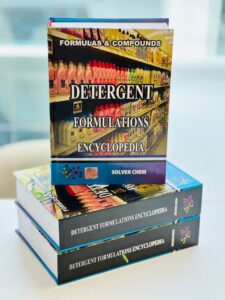
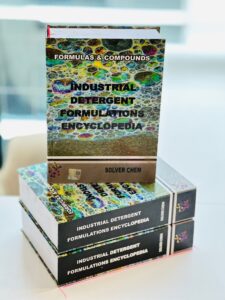
Discover professional industrial cleaning formulations in the Detergent Formulations Encyclopedia, developed by a chemical engineer with over 40 years of experience.
WHAT IS A SOLVENT-BASED ENGINE DEGREASER?
A solvent-based engine degreaser is a powerful cleaning formulation designed to dissolve oil, grease, fuel residues, and carbon buildup from engine surfaces.
These products are commonly used in automotive detailing, mechanical maintenance, and industrial cleaning because they offer deep penetration and fast cleaning performance.
Compared to water-based cleaners, solvent-based formulations are more effective on heavy contamination and are especially preferred for engine bays and metal components.
SOLVENT-BASED ENGINE DEGREASER FORMULA OVERVIEW
A typical solvent-based engine degreaser formula consists of a combination of hydrocarbon solvents, emulsifiers, surfactants, and performance additives.
Hydrocarbon solvents act as the main cleaning agents, dissolving grease and oil deposits efficiently. Emulsifiers allow the dissolved oils to be rinsed away with water, while surfactants improve overall cleaning performance.
Additional components such as corrosion inhibitors and fragrance can be added to enhance product stability and user experience.
For more advanced industrial formulations, similar solvent systems are also used in degreaser production processes such as those explained in this detailed guide:
https://makingchembooks.com/degreaser-ingredients-degreaser-recipe-formulas/
RAW MATERIALS USED IN ENGINE DEGREASER FORMULATIONS
The effectiveness of a solvent-based engine degreaser depends on the correct selection of raw materials.
Hydrocarbon solvents such as mineral spirits or kerosene are commonly used as the primary degreasing agents. These solvents break down heavy oil and grease quickly.
Nonionic surfactants are added to improve emulsification, allowing oils to mix with water and be rinsed away easily. In some formulations, small amounts of alcohol may be included to enhance evaporation.
Corrosion inhibitors protect metal surfaces from damage during cleaning, while fragrance improves the final product appeal.
These raw material combinations are widely used not only in engine degreasers but also in other industrial cleaning systems such as dishwashing liquid manufacturing processes and surface cleaners:
https://makingchembooks.com/dishwashing-liquid-detergent-manufacturing-process/
PRODUCTION PROCESS
The production of solvent-based engine degreaser formulations follows a controlled but straightforward process.
First, the hydrocarbon solvent is added to a clean mixing tank. Under gentle agitation, emulsifiers and nonionic surfactants are slowly introduced to ensure proper blending.
Next, any co-solvents or performance additives are added. Care must be taken to maintain uniform mixing and avoid phase separation.
Corrosion inhibitors are incorporated to protect engine components during application. Finally, fragrance and optional additives are introduced.
The mixture is stirred until fully homogeneous and then filtered before being filled into appropriate containers.
ADVANTAGES OF SOLVENT-BASED ENGINE DEGREASERS
Solvent-based formulations offer several advantages in heavy-duty cleaning applications.
They provide strong degreasing power, making them highly effective on stubborn oil and grease deposits. Their fast evaporation ensures quick drying without leaving residues.
These products also penetrate deeply into contaminated surfaces, improving cleaning efficiency in complex engine parts.
Because of these properties, they are widely used in professional automotive and industrial environments.
APPLICATION AREAS
Solvent-based engine degreasers are used in a wide range of applications.
They are commonly applied in automotive service centers, engine maintenance workshops, and industrial cleaning facilities. They are also used for cleaning machinery parts, tools, and metal surfaces exposed to heavy oils.
In professional detailing, they are often used before applying finishing products such as dashboard cleaners and interior care solutions, which require clean surfaces for best results.
COMMON FORMULATION MISTAKES
Using excessively strong solvents can damage sensitive components such as rubber or plastic parts. Poor emulsifier selection may result in difficult rinsing and residue formation.
Incorrect formulation balance can also lead to phase separation or instability over time. Additionally, lack of corrosion protection may cause long-term damage to metal surfaces.
Careful formulation design is essential to ensure both performance and safety.
SUMMARY
Solvent-based engine degreaser formulations are essential for heavy-duty cleaning in automotive and industrial applications.
By combining powerful solvents, emulsifiers, and surfactants, these formulations effectively remove oil, grease, and stubborn contaminants from engine surfaces.
A well-designed formulation ensures strong cleaning performance, fast evaporation, and safe application. With increasing demand in professional car care and industrial maintenance, solvent-based degreasers remain one of the most important cleaning products in the market.
👉 For more advanced and commercial-ready formulations, explore:
https://makingchembooks.com/product/detergent-formulations-encyclopedia/
ABOUT THE AUTHOR
This formulation was developed and compiled by a chemical engineer with over 40 years of experience in industrial chemical production and formulation development.