The rust remover gel formulation is one of the most effective solutions for removing heavy rust, especially on vertical and hard-to-clean surfaces. Unlike liquid products, gel systems stay longer on the surface, allowing active ingredients to penetrate deeper and deliver stronger results.
This is why rust remover gels are widely used in industrial maintenance, automotive detailing, and metal surface restoration. However, creating a successful product is not just about thickening a liquid formula. It requires a carefully balanced system of acids, thickeners, surfactants, and stabilizers to ensure performance, safety, and long shelf life.
If you are planning to develop a commercial product, understanding how a professional rust remover gel formulation is designed is essential. Because in today’s market, only stable, effective, and easy-to-apply products can compete.
In this guide, you will learn the fundamentals of gel-based rust remover systems and how industrial manufacturers approach formulation and production. For those who want to go beyond theory, complete industrial formulations and production systems are available in professional formulation references used by manufacturers.
💥 WANT TO PRODUCE RUST REMOVER GEL PRODUCTS?
If you want to create high-performance rust remover gel products, you need more than basic information. Gel systems are more complex than liquid formulations because they require the right balance between viscosity, stability, and chemical performance.
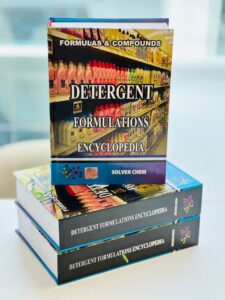
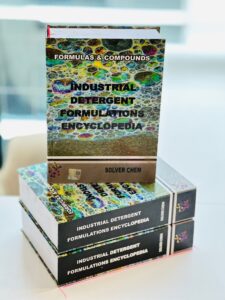
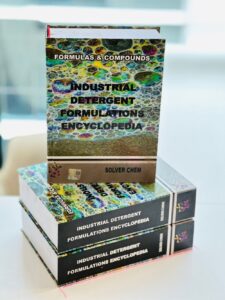
The Industrial Detergent Formulations Encyclopedia gives you direct access to:
- Professional rust remover gel formulation systems
- 100 kg production-based recipes
- Real raw materials with CAS numbers
- Step-by-step industrial manufacturing processes
- Commercial-grade, scalable product systems
This is not theoretical content — it is designed for real production and real market use.
👉 If your goal is to develop and sell your own rust remover products, this resource will save you time, reduce trial-and-error, and help you build a reliable product line.
WHAT IS A RUST REMOVER GEL FORMULATION?
A rust remover gel formulation is a thickened chemical system designed to stay on the surface longer and remove rust more effectively. Unlike liquid products, gel systems do not run off quickly, which allows active ingredients to work deeper into rust layers.
This makes gel formulations ideal for:
- Vertical metal surfaces
- Heavy rust deposits
- Controlled and targeted applications
KEY COMPONENTS IN GEL FORMULAS
A successful product depends on the right formulation balance:
- Acids: Dissolve or convert rust
- Thickeners: Provide gel structure and surface adhesion
- Surfactants: Improve penetration and cleaning efficiency
- Inhibitors: Protect the base metal from damage
Each component must work together to ensure performance, stability, and usability.
HOW GEL SYSTEMS ARE PRODUCED
Industrial production follows a controlled process:
- Preparation of base liquid formulation
- Addition of active ingredients
- Incorporation of thickening system
- Controlled mixing to achieve gel consistency
- Stability and viscosity adjustment
- Packaging
A poorly designed system can lead to separation, low performance, or application issues.
COMMON FORMULATION MISTAKES
Many gel products fail due to simple but critical errors:
- Incorrect thickener selection → unstable gel
- Poor viscosity balance → difficult application
- Weak acid system → low effectiveness
- Lack of stabilization → short shelf life
Professional formulations are designed to avoid these issues from the start.
👉 COMPLETE FORMULATION SYSTEM
For a complete understanding of industrial systems:
👉 See our rust remover production formula guide
https://makingchembooks.com/rust-remover-production-formula-composition/
SUMMARY
Rust remover gels are one of the most effective and commercially valuable product types in the cleaning chemical market. However, success depends on formulation quality and product stability.
If you want to develop products that actually work and sell, focusing on tested, industrial-grade systems is the key.