Introduction
Potassium sulfate fertilizer, commonly known as SOP fertilizer, is an important potassium fertilizer used in modern agriculture. It provides potassium and sulfur nutrients that are essential for plant growth, crop quality, and yield improvement.
Potassium plays a critical role in plant metabolism, water regulation, and enzyme activation. Sulfur is also an important nutrient that supports protein synthesis and plant health.
Industrial fertilizer manufacturing technologies are explained in the NPK Fertilizer Production Process guide, while fertilizer production systems are discussed in the NPK Fertilizer Production Line article.
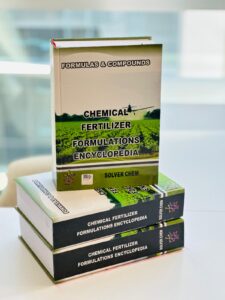
Detailed industrial fertilizer formulations and fertilizer production technologies are explained in the Chemical Fertilizers Formulations Encyclopedia.
What is Potassium Sulfate Fertilizer
Potassium sulfate fertilizer is a potassium-based fertilizer that contains potassium and sulfur nutrients required for plant growth.
Typical nutrient composition of potassium sulfate fertilizer:
-
Potassium (K₂O): approximately 50%
-
Sulfur (S): approximately 18%
SOP fertilizer is widely used for crops that are sensitive to chloride, such as fruits, vegetables, and tobacco.
Raw Materials Used in Potassium Sulfate Production
The production of potassium sulfate fertilizer requires the following raw materials:
-
potassium chloride (KCl)
-
sulfuric acid (H₂SO₄)
These materials react chemically in industrial reactors to produce potassium sulfate fertilizer.
Potassium Sulfate Production Process
Mannheim Process
One of the most common industrial methods for producing potassium sulfate fertilizer is the Mannheim process.
In this process potassium chloride reacts with sulfuric acid at high temperatures to produce potassium sulfate and hydrogen chloride gas.
Reaction Stage
Potassium chloride and sulfuric acid react in a furnace reactor to form potassium sulfate.
Cooling and Solidification
The molten potassium sulfate product is cooled and solidified into fertilizer material.
Grinding and Screening
The solid fertilizer is ground and screened to obtain the desired particle size.
Packaging
The final fertilizer product is packaged for agricultural use.
Advantages of Potassium Sulfate Fertilizer
Potassium sulfate fertilizers offer several advantages:
-
provides potassium and sulfur nutrients
-
suitable for chloride-sensitive crops
-
improves crop quality and yield
-
widely used in horticultural crops
These characteristics make SOP fertilizer an important potassium fertilizer in global agriculture.
Industrial Fertilizer Formulations Guide
Detailed fertilizer formulations and fertilizer production technologies are explained in the Chemical Fertilizers Formulations Encyclopedia. This professional guide provides practical information about fertilizer formulation development and fertilizer manufacturing technologies.
SUMMARY
Potassium sulfate fertilizer is an important potassium fertilizer used in modern agriculture. It is typically produced through the Mannheim process by reacting potassium chloride with sulfuric acid. The production process includes reaction, cooling, grinding, and packaging stages.
Related Articles
NPK Fertilizer Production Process
NPK Fertilizer Production Line
NPK Fertilizer Production Cost
Compound NPK Fertilizer Production Process
Water Soluble NPK Fertilizer Production Process
Urea Fertilizer Production Process
Monoammonium Phosphate Fertilizer Production Process
Diammonium Phosphate Fertilizer Production Process
How to Make NPK Fertilizer
How to Make NPK 20-20-20 Fertilizer
How to Make NPK 15-15-15 Fertilizer
How to Make NPK 10-10-10 Fertilizer
How to Make NPK 12-12-17 Fertilizer
How to Make NPK 19-19-19 Fertilizer