Introduction
Diammonium phosphate (DAP) fertilizer is one of the most widely used phosphate fertilizers in modern agriculture. It supplies both nitrogen and phosphorus nutrients, which are essential for plant growth, root development, and crop productivity.
DAP fertilizer is widely used in agricultural fertilizer programs because it provides a highly concentrated source of phosphorus and nitrogen. Phosphorus is particularly important for early plant growth, root formation, and energy transfer within plants.
The general fertilizer manufacturing technologies are explained in the NPK Fertilizer Production Process guide, while industrial fertilizer production systems are discussed in the NPK Fertilizer Production Line article.
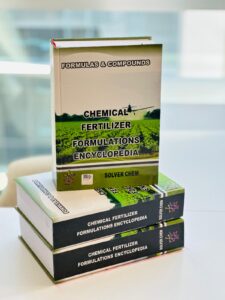
Detailed industrial fertilizer formulations and fertilizer production technologies are explained in the Chemical Fertilizers Formulations Encyclopedia.
What is Diammonium Phosphate Fertilizer
Diammonium phosphate (DAP) is a phosphate fertilizer produced through the reaction of ammonia with phosphoric acid. It is one of the most widely used phosphate fertilizers due to its high nutrient content.
Typical nutrient composition of DAP fertilizer:
-
Nitrogen (N): approximately 18%
-
Phosphorus (P₂O₅): approximately 46%
DAP fertilizer is highly soluble and widely used in both field crops and intensive agricultural production systems.
Raw Materials Used in DAP Fertilizer Production
The production of diammonium phosphate fertilizer requires the following raw materials:
-
ammonia (NH₃)
-
phosphoric acid (H₃PO₄)
These raw materials react in industrial reactors to produce diammonium phosphate slurry.
Diammonium Phosphate Production Process
Neutralization Reaction
The production process begins with the neutralization of phosphoric acid using ammonia. This chemical reaction forms diammonium phosphate slurry.
Granulation
The slurry is converted into fertilizer granules using industrial granulation equipment. Granulation improves the physical properties of the fertilizer and facilitates storage and application.
Granulation technology is explained in the Granular NPK Fertilizer Production Process article.
Drying and Cooling
The fertilizer granules are dried to reduce moisture content and then cooled to stabilize the final product.
Screening and Packaging
The final fertilizer granules are screened to obtain the desired particle size and then packaged for agricultural distribution.
Advantages of DAP Fertilizer
Diammonium phosphate fertilizers provide several advantages in agricultural production:
-
high phosphorus concentration
-
good nitrogen supply
-
high nutrient efficiency
-
suitable for many crops and soils
These characteristics make DAP one of the most widely produced phosphate fertilizers in the global fertilizer industry.
Industrial Fertilizer Formulations Guide
Detailed fertilizer formulations and fertilizer manufacturing technologies are explained in the Chemical Fertilizers Formulations Encyclopedia. This professional guide provides practical information about fertilizer formulation development and fertilizer production technologies.
SUMMARY
Diammonium phosphate fertilizer is an important phosphate fertilizer produced through the reaction of ammonia and phosphoric acid. The production process includes neutralization, granulation, drying, cooling, and packaging stages. DAP fertilizers are widely used in agriculture due to their high nutrient content and efficient nutrient availability.
Related Articles
NPK Fertilizer Production Process
NPK Fertilizer Production Line
NPK Fertilizer Production Cost
Compound NPK Fertilizer Production Process
Water Soluble NPK Fertilizer Production Process
Urea Fertilizer Production Process
Monoammonium Phosphate Fertilizer Production Process
How to Make NPK Fertilizer
How to Make NPK 20-20-20 Fertilizer
How to Make NPK 15-15-15 Fertilizer
How to Make NPK 10-10-10 Fertilizer
How to Make NPK 12-12-17 Fertilizer
How to Make NPK 19-19-19 Fertilizer