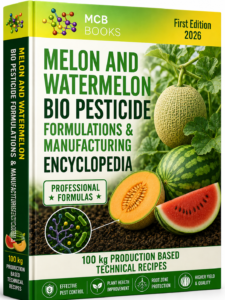
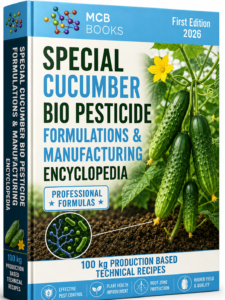
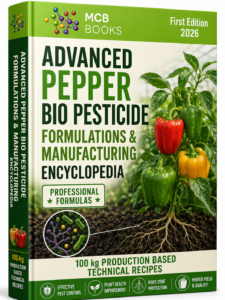
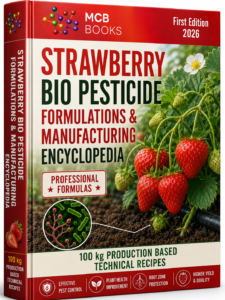
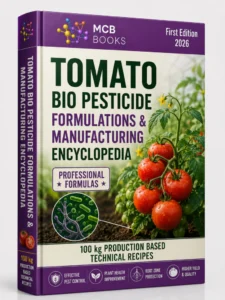
 Tomato crops are exposed to a broad range of insect pests, mites and plant diseases that can reduce plant vigor, fruit quality and marketable yield. Whiteflies, aphids, thrips, spider mites, caterpillars, leaf miners, powdery mildew, Botrytis, early blight, late blight and various soil-borne diseases are among the most important problems encountered in greenhouse and open-field tomato production. Developing practical 100 kg bio pesticide formulations allows manufacturers to produce standardized biological crop-protection products designed for specific tomato problems.
Bio pesticide formulations for whiteflies and aphids may be based on microbial active ingredients such as Beauveria bassiana, selected Metarhizium strains or suitable botanical substances. These formulations can be supported with wetting agents, dispersants, stabilizers and compatible carriers to improve coverage and persistence on tomato leaves. Botanical materials such as neem-derived components and selected plant extracts may also be incorporated into biological insect-control products where permitted by local regulations.
Thrips and mite formulations require particular attention to leaf coverage because these pests often remain on protected plant surfaces. Bio acaricide and bio insecticide formulations may therefore contain suitable natural oils, microbial agents or plant-derived actives combined with emulsifiers and spreading agents. The formulation system should provide uniform dispersion while minimizing phytotoxicity and maintaining compatibility with tomato foliage.
For fungal diseases, biological formulations can be developed using beneficial microorganisms such as Bacillus subtilis, Bacillus amyloliquefaciens, Trichoderma harzianum and related biological control agents. These microorganisms may help suppress pathogens through competition, antibiosis, colonization and other biological mechanisms. Depending on the intended product, formulations may be prepared as liquid suspensions, suspension concentrates, wettable powders or other suitable commercial forms.
A typical 100 kg bio pesticide manufacturing concept consists of a biological active ingredient, carrier or diluent, wetting agent, dispersing agent, stabilizer, suspending agent, antifoaming material, pH regulator and other formulation auxiliaries as required. The exact percentage of each component depends on the concentration and characteristics of the active biological material. Microbial products must be manufactured under controlled temperature and hygiene conditions so that viable organisms are not damaged during production.
Quality control is essential for every 100 kg batch. Parameters such as pH, density, viscosity, suspension stability, emulsion stability, moisture content, microbial viability, contamination level and storage stability should be evaluated according to the formulation type. Packaging should also protect the product from excessive heat, light and moisture.
Well-designed 100 kg bio pesticide formulas for tomato crops can provide manufacturers with flexible solutions for whiteflies, aphids, thrips, mites, fungal diseases and other production problems. By combining appropriate biological actives with compatible formulation ingredients and controlled manufacturing methods, it is possible to develop stable and commercially practical biological crop-protection products for modern tomato production.