 Humic and fulvic acid biostimulants are increasingly used in modern agriculture to support plant performance under drought, salinity, heat, transplant shock, and other forms of abiotic stress. Environmental stress can negatively affect root activity, nutrient uptake, water balance, vegetative growth, flowering, fruit development, and overall crop productivity. For this reason, humic and fulvic fertilizer formulations are becoming important components of professional crop nutrition and stress-management programs.
Humic acid is commonly included in products designed for soil conditioning, root-zone development, and nutrient management. It can be derived from leonardite and other humic-rich materials and may be formulated as potassium humate, liquid humic concentrates, or soluble fertilizer components. In stress-management programs, humic substances are often combined with fulvic acid, amino acids, seaweed extracts, potassium sources, and selected micronutrients to create multifunctional agricultural biostimulants.
Fulvic acid is particularly valuable in liquid fertilizer formulations because of its high solubility and compatibility with different nutrient systems. It can be incorporated into fertigation and foliar products developed for plants exposed to drought, salinity, temperature extremes, or other unfavorable growing conditions. Fulvic acid formulations may also contain iron, zinc, manganese, boron, magnesium, potassium, and other plant nutrition components depending on the intended crop and application method.
Drought stress can reduce water availability and limit nutrient movement within the soil-plant system. Humic and fulvic acid biostimulants may be incorporated into crop programs intended to support root development, nutrient availability, and plant recovery during periods of water limitation. Products for drought management can be applied through fertigation, soil application, or selected foliar treatments according to crop requirements.
Salinity stress is another major challenge in agriculture. Excessive salt levels in soil or irrigation water can interfere with water uptake and nutrient balance. Humic and fulvic fertilizer formulations designed for saline conditions may combine humic substances with potassium, amino acids, seaweed extracts, and micronutrients to support overall plant nutrition and root-zone performance.
Commercial production of these biostimulants requires careful control of raw material compatibility, pH, solubility, density, viscosity, filtration, and storage stability. Manufacturers should also evaluate sediment formation, nutrient concentration, humic acid content, fulvic acid content, and packaging compatibility before commercial distribution.
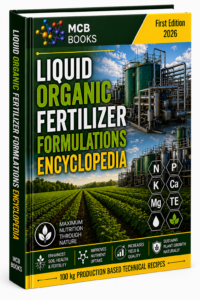
The HUMIC + FULVIC ORGANIC FERTILIZER FORMULATIONS ENCYCLOPEDIA provides practical information about humic and fulvic acid biostimulant formulations, raw materials, manufacturing processes, production methods, and quality control. It is designed for fertilizer manufacturers, formulators, agricultural companies, and entrepreneurs seeking to develop professional products for drought, salinity, abiotic stress management, root development, and modern crop nutrition.