Introduction
In industrial cleaning and automotive detailing, two types of products are often confused: tar removers and degreasers. While both are designed to remove contaminants, they are formulated for completely different types of dirt.
Using the wrong product can lead to ineffective cleaning, wasted time, or even surface damage. Understanding the differences between tar removers and degreasers is essential for selecting the right formulation for each application.
For a complete overview of how tar removers are produced and used in industrial applications, you can also refer to this guide:
👉 https://makingchembooks.com/how-to-make-tar-remover-and-cleaner-spray/
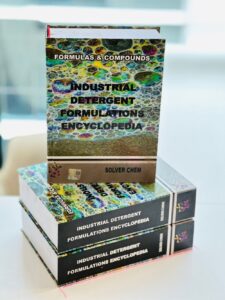
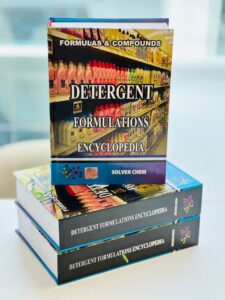
If you are looking to develop high-performance cleaning products, this encyclopedia includes industrial formulations for both tar removers and degreasers, based on real manufacturing experience.
What Is a Tar Remover?
A tar remover is a solvent-based cleaning product designed to remove:
- Road tar
- Asphalt residues
- Bitumen deposits
- Sticky hydrocarbon contaminants
These substances are non-polar, which is why they require specialized solvent systems.
To understand the ingredient structure behind these products, see:
👉 tar remover formula and ingredient breakdown:
https://makingchembooks.com/how-to-make-tar-remover-ingredients/
What Is a Degreaser?
A degreaser is typically a water-based or solvent-assisted cleaner used to remove:
- Oils
- Grease
- Light hydrocarbons
- Organic dirt
Degreasers rely on surfactants and alkaline builders rather than strong solvent systems.
Key Differences Between Tar Remover and Degreaser
Cleaning Mechanism
- Tar remover → dissolves heavy hydrocarbons using solvents
- Degreaser → emulsifies oils and grease using surfactants
Type of Contamination
- Tar remover → asphalt, tar, bitumen
- Degreaser → oil, grease, light dirt
Formulation Structure
- Tar remover → solvent-dominant system
- Degreaser → water-based or alkaline system
Surface Interaction
- Tar remover → strong, must be used carefully
- Degreaser → generally safer for routine cleaning
When to Use Tar Remover
Tar removers should be used when dealing with:
- Road contamination on vehicles
- Asphalt splashes
- Industrial hydrocarbon residues
For deeper insight into solvent-based systems and how they perform, you can review:
👉 solvent based tar remover formulations and performance:
https://makingchembooks.com/ways-to-make-tar-remover-solvent-based/
When to Use Degreaser
Degreasers are ideal for:
- Engine cleaning
- Industrial equipment maintenance
- Removing oil and grease buildup
They are more suitable for regular and frequent cleaning operations.
Can Tar Remover Replace Degreaser?
No — and this is one of the most common mistakes.
Using tar remover instead of a degreaser can:
- Be unnecessarily aggressive
- Increase costs
- Damage sensitive surfaces
Similarly, degreasers are not effective on tar and asphalt residues.
Formulation Perspective
From a formulation standpoint, these products are fundamentally different.
Tar removers require:
- Carefully selected solvent blends
- Controlled evaporation rates
- Compatibility with coatings
Degreasers require:
- Surfactant systems
- Alkaline builders
- Stable water-based systems
Understanding this difference is essential for developing effective industrial cleaning products.
Why Choosing the Right Formulation Matters
Incorrect product selection leads to:
- Poor cleaning results
- Increased labor time
- Potential surface damage
Professional formulations are optimized for both efficiency and safety.
Get Professional Cleaning Formulations
If you are developing industrial cleaning products, using tested and optimized formulations is critical.
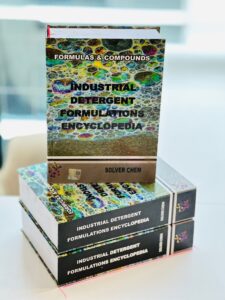
The Industrial Detergent Formulations Encyclopedia includes:
- Tar remover formulations
- Degreaser formulations
- Raw material selection strategies
- Industrial production methods
All formulations are based on real-world manufacturing experience and designed for performance.
Related Articles
-
How to Make Tar Remover | Formula, Ingredients and Production Process
-
Tar Remover Formula | Ingredients, Composition and Industrial Process
-
Solvent Based Tar Remover | Formulation, Ingredients and Performance
-
How to Clean Tar from Surfaces | Practical Methods and Tar Remover Guide