Introduction
Tar and asphalt residues can be extremely difficult to remove once they adhere to surfaces. Whether on vehicle paint, metal equipment, or industrial surfaces, these contaminants form a strong bond that cannot be easily cleaned with standard detergents.
To clean tar effectively, it is important to use the correct method and the right type of cleaning product. Improper cleaning can damage surfaces or leave residues behind, reducing overall cleaning efficiency.
For a deeper understanding of how tar remover products are formulated and produced, you can review the full guide here:
👉 https://makingchembooks.com/how-to-make-tar-remover-and-cleaner-spray/
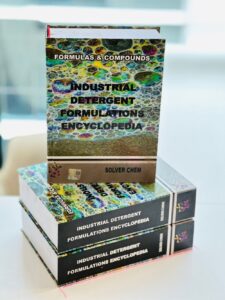
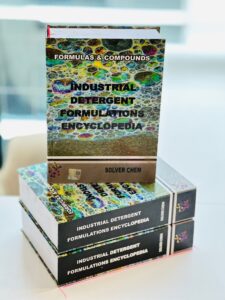
If you are interested in producing high-performance tar cleaning products, this encyclopedia includes industrial formulations and production methods based on real manufacturing experience.
Why Tar Is Difficult to Clean
Tar is a hydrocarbon-based material, which means it is non-polar and highly adhesive.
Because of this:
- Water-based cleaners are usually ineffective
- Standard detergents cannot dissolve it
- Mechanical cleaning alone is not sufficient
This is why solvent-based systems are commonly used in industrial cleaning.
Best Method to Clean Tar
1. Use a Solvent-Based Tar Remover
The most effective way to clean tar is by using a tar remover designed to dissolve hydrocarbon residues.
These products work by:
- Softening the tar layer
- Breaking its structure
- Allowing easy removal
To understand how these formulations are structured, see:
👉 https://makingchembooks.com/how-to-make-tar-remover-ingredients/
2. Apply on a Dry Surface
Always apply the product to a dry surface. This ensures maximum contact between the solvent and the tar layer.
3. Allow Penetration Time
Let the product sit for a few minutes to allow it to penetrate and dissolve the tar effectively.
4. Wipe or Rinse
Once the tar softens:
- Wipe with a microfiber cloth
- Or rinse with water depending on the formulation
Alternative Cleaning Methods
While solvent-based products are the most effective, some alternative methods exist:
- Mild alkaline cleaners (limited effectiveness)
- Mechanical removal (risk of surface damage)
- Household solutions (slower results)
These methods are generally less efficient compared to professional tar removers.
Tar Remover vs Degreaser in Cleaning
A common mistake is using degreasers instead of tar removers.
Tar removers are designed for:
- Asphalt
- Bitumen
- Heavy hydrocarbon residues
Degreasers are better suited for oils and grease.
For a detailed comparison, see:
👉 https://makingchembooks.com/tar-remover-vs-degreaser/
Understanding Solvent-Based Cleaning Systems
Tar cleaning performance depends heavily on solvent selection and formulation design.
You can explore how solvent systems are used in these products here:
👉 https://makingchembooks.com/ways-to-make-tar-remover-solvent-based/
Common Mistakes When Cleaning Tar
Many users experience poor results due to:
- Using the wrong product
- Applying on hot surfaces
- Not allowing enough dwell time
- Skipping rinsing
Avoiding these mistakes improves both efficiency and safety.
Why Professional Formulations Work Better
Low-quality products often:
- Leave residues
- Require repeated application
- Provide inconsistent results
Professionally developed formulations ensure:
- Fast tar removal
- Surface compatibility
- Reliable performance
Get Professional Tar Remover Formulations
If you want to produce high-quality tar cleaning products, using tested formulations is essential.
The Industrial Detergent Formulations Encyclopedia includes:
- Industrial tar remover formulas
- Raw material selection strategies
- Production techniques
- Performance-optimized compositions
All formulations are based on real manufacturing experience.
Related Articles
- https://makingchembooks.com/how-to-make-tar-remover-and-cleaner-spray/
- https://makingchembooks.com/how-to-make-tar-remover-ingredients/
- https://makingchembooks.com/ways-to-make-tar-remover-solvent-based/
- https://makingchembooks.com/tar-remover-vs-degreaser/