Introduction
Removing tar, asphalt, and bitumen residues requires more than standard cleaning solutions. These contaminants are highly resistant to water-based detergents, which is why solvent based tar remover formulations are widely used in both automotive and industrial cleaning applications.
A properly designed solvent system can dissolve stubborn hydrocarbon deposits quickly while maintaining surface safety. However, the effectiveness of these formulations depends heavily on the choice of solvents and the overall formulation balance.
If you want to understand the full production logic behind these products, you can start with the complete guide here:
👉 https://makingchembooks.com/how-to-make-tar-remover-and-cleaner-spray/
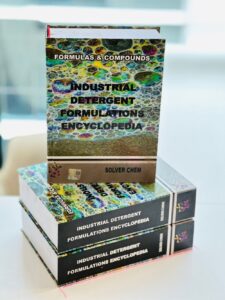
For those interested in developing high-performance solvent based cleaning products, this encyclopedia provides detailed formulations and industrial production methods based on real manufacturing experience.
Why Solvent Based Tar Removers Are More Effective
Tar and bitumen are non-polar substances. This means they cannot be removed effectively with water or conventional surfactant systems.
Solvent based tar removers work because:
- They dissolve hydrocarbon structures directly
- They penetrate deep into tar layers
- They break the bond between contamination and surface
This principle is explained in more detail in the formulation guide:
👉 https://makingchembooks.com/how-to-make-tar-remover-ingredients/
Types of Solvents Used in Tar Remover Formulations
The choice of solvent determines both cleaning strength and safety.
Aliphatic Hydrocarbon Solvents
These are the most commonly used solvents in industrial tar removers.
- Balanced cleaning power
- Safer on painted surfaces
- Lower odor compared to aromatic solvents
Aromatic Solvents
Used in stronger formulations where heavy contamination is present.
- High solvency power
- Faster tar dissolution
- Must be used carefully due to surface sensitivity
Oxygenated Solvents
These solvents improve overall formulation efficiency.
- Enhance penetration
- Improve cleaning speed
- Support emulsification
Role of Emulsifiers in Solvent Systems
Even though solvent based systems do most of the cleaning, emulsifiers are still critical.
They allow:
- Easier rinsing with water
- Reduced residue formation
- More uniform cleaning performance
Nonionic surfactants are typically used to stabilize the formulation and improve usability.
Formulation Strategy for Solvent Based Tar Removers
A successful formulation is not just about strong solvents. It requires balance.
Key considerations include:
- Solvent strength vs surface safety
- Evaporation rate
- Residue control
- Stability over time
Professional formulations are designed to achieve maximum cleaning efficiency without damaging sensitive surfaces such as automotive paint.
Industrial Production of Solvent Based Tar Removers
The production process follows a controlled sequence to ensure consistency:
- Solvent base is charged into the mixing vessel
- Emulsifiers are added under continuous agitation
- Additives such as corrosion inhibitors are incorporated
- The mixture is homogenized
- Final product is filtered and filled
Due to the flammable nature of solvents, production must be carried out using proper safety systems and ventilation.
Common Problems in Solvent Based Formulations
Some formulations fail due to:
- Excessively aggressive solvent blends
- Poor emulsifier compatibility
- Phase instability
- Residue formation after cleaning
These issues reduce product quality and customer satisfaction.
Performance Optimization in Professional Products
High-quality tar removers are optimized for:
- Fast action
- Surface compatibility
- Easy rinsing
- Long shelf life
This level of performance can only be achieved through tested formulations and proper raw material selection.
Get Professional Solvent Based Tar Remover Formulations
If your goal is to produce industrial-grade solvent based tar removers, using proven formulations is essential.
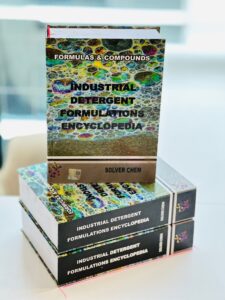
The Industrial Detergent Formulations Encyclopedia includes:
- Advanced solvent based tar remover formulas
- Raw material selection strategies
- Industrial production techniques
- Performance-focused compositions
These formulations are based on real industry experience and designed for practical application.
Related Articles
- https://makingchembooks.com/how-to-make-tar-remover-and-cleaner-spray/
- https://makingchembooks.com/how-to-make-tar-remover-ingredients/
- https://makingchembooks.com/tar-remover-vs-degreaser/
-
https://makingchembooks.com/how-to-clean-tar-formulas-production/