Introduction
In industrial cleaning, not every degreaser is strong enough to handle heavy contamination. When dealing with thick grease, burned oil, or long-term buildup, standard formulations often fall short.
This is where concentrated heavy-duty alkaline degreasers come in.
These products are designed for situations where maximum cleaning strength is required. They are commonly used in factories, workshops, and maintenance operations where surfaces are exposed to extreme conditions.
If you want to understand how degreaser systems work in general, you can start here:
👉 How to Make Metal Degreaser | Formula, Ingredients and Industrial Production
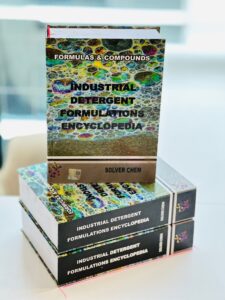
Industrial Detergent Formulations Encyclopedia
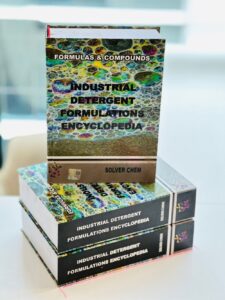
If you are working on high-performance cleaning products, this encyclopedia provides real-world formulations designed for industrial use, not just theoretical mixtures.
🔥 WHY HEAVY-DUTY DEGREASERS ARE DIFFERENT
A standard degreaser may work fine for light cleaning, but industrial environments require much stronger solutions.
Heavy-duty alkaline systems are specifically designed to:
- break down thick grease layers
- remove stubborn industrial contamination
- perform under high-load conditions
👉 In many cases, they are used where normal products simply fail.
What Makes a Degreaser “Heavy Duty”?
The difference is not just strength — it’s formulation balance.
A heavy-duty alkaline degreaser typically has:
- higher alkalinity
- stronger cleaning agents
- optimized surfactant systems
This combination allows it to handle extreme contamination without losing efficiency.
For a more detailed look at alkaline systems, you can also check:
👉 Alkaline Metal Degreaser Formula | Ingredients and Production Process
Key Ingredients in Concentrated Alkaline Degreasers
These formulations are built using carefully selected components.
Strong Alkaline Builders
These provide the main cleaning power.
- Sodium hydroxide
- Sodium metasilicate
- Sodium carbonate
They break down grease at a chemical level.
Surfactants
Surfactants support the cleaning process.
- help lift contaminants
- improve rinsing
- increase overall efficiency
Chelating Agents
Used to maintain performance in hard water conditions.
- EDTA
- phosphates
Corrosion Inhibitors
Because of high alkalinity, protection is essential.
These help prevent:
- metal damage
- surface corrosion
Additives
- foam control agents
- stabilizers
- performance enhancers
How These Degreasers Work
Heavy-duty alkaline degreasers do more than just clean.
They:
👉 break down grease chemically
👉 loosen contaminants
👉 allow easy removal from the surface
This makes them extremely effective in industrial cleaning.
Production Process
The production process requires controlled mixing.
Typical steps include:
- preparing raw materials
- building the alkaline base
- adding surfactants
- incorporating additives
- mixing until uniform
The key here is maintaining the correct balance — too strong can damage surfaces, too weak reduces performance.
Where They Are Used
These products are commonly used in:
- industrial cleaning systems
- automotive maintenance
- machinery cleaning
- heavy-duty workshops
They are ideal when standard degreasers are not enough.
Heavy-Duty vs Standard Degreasers
Not every situation requires a strong formulation.
- Standard degreasers → light to medium cleaning
- Heavy-duty degreasers → extreme contamination
👉 Choosing the right type is important for both performance and cost.
When Alkaline Is Not Enough
Even though alkaline degreasers are powerful, they are not suitable for every situation.
For example:
- rust
- scale
- oxidation
require a different approach.
👉 In these cases, acidic systems are used:
Acidic Metal Degreaser | Formulation, Production and Industrial Applications
Common Formulation Mistakes
In practice, many heavy-duty products fail because of:
- excessive alkalinity
- poor surfactant balance
- lack of corrosion protection
These issues lead to surface damage or unstable products.
Why Formulation Experience Matters
Heavy-duty systems require careful design.
A good formulation should:
- clean effectively
- remain stable
- protect the surface
- be cost-efficient
Balancing all of these is not easy without experience.
💰 STOP GUESSING – USE PROVEN SYSTEMS
Trying to develop a strong degreaser from scratch often leads to:
- wasted raw materials
- inconsistent results
- unnecessary costs
👉 Using tested formulations allows you to:
- save time
- reduce risk
- produce reliable products
The Industrial Detergent Formulations Encyclopedia provides ready-to-use systems designed for real industrial applications.
Related Articles
-
How to Make Metal Degreaser | Formula, Ingredients and Industrial Production
-
Alkaline Metal Degreaser Formula | Ingredients and Production Process
-
Acidic Metal Degreaser | Formulation, Production and Industrial Applications
SUMMARY
Concentrated heavy-duty alkaline metal degreasers are designed for the most demanding cleaning applications. Their strength comes from a combination of high alkalinity and well-balanced supporting ingredients.
However, performance depends heavily on formulation balance. Too much strength can damage surfaces, while poor design reduces cleaning efficiency.
👉 Using tested and optimized formulations ensures reliable results, better product stability, and more efficient production.